
Jet Fuel Prices Doubled: How Expensive Flights from Germany Will Get This Summer 2026
 6 min read
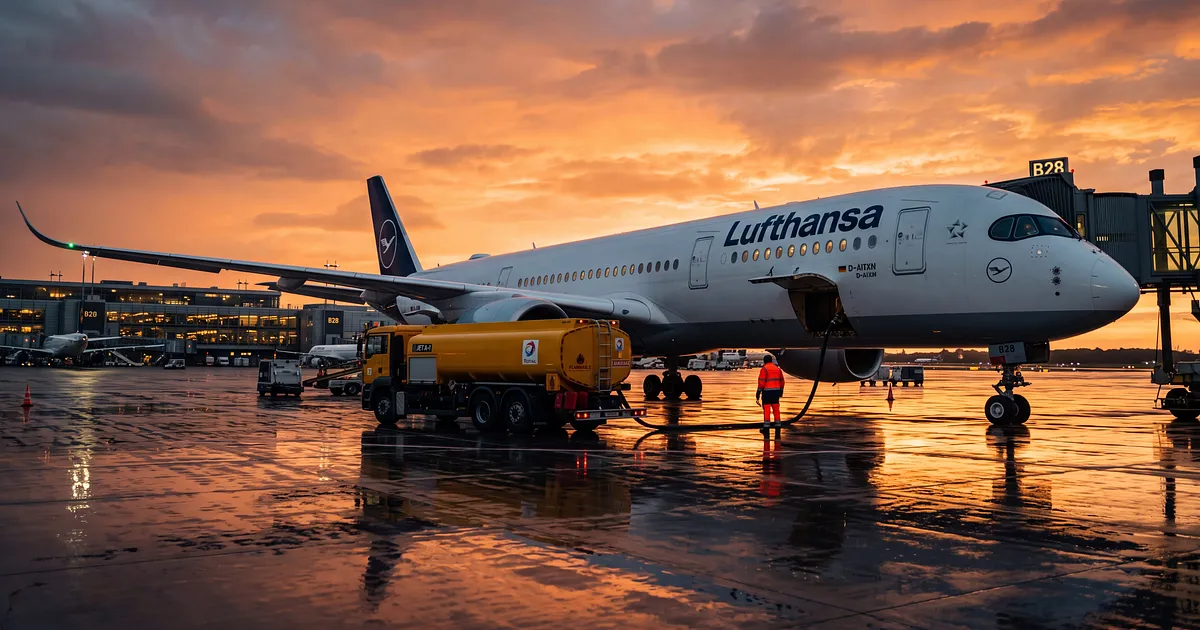
A round trip from Frankfurt to Singapore used to cost 700 euros. That was six months ago. Right now? Over 2,000 euros. And that's not an outlier.
Since the Iran conflict shut down the Strait of Hormuz in late February, jet fuel prices have jumped from about $85 per barrel to as much as $200. In Northwest Europe, prices briefly hit $239 per barrel. On a per-ton basis, that's a 140 percent increase.
Flight prices are rising. Fast.
Why Long-Haul Flights Are Hit the Hardest
Fuel accounts for roughly 20 to 30 percent of operating costs on short-haul flights. On ultra-long-haul routes, that share climbs to 64 percent of variable costs. When fuel prices double, long-haul ticket prices go through the roof.
There's another problem. Many airlines can no longer fly their normal routes over the Persian Gulf. Detours through Central Asia or Africa add up to 30 percent more flight distance. According to infranken.de, fuel costs for a single Frankfurt to Singapore flight went from around 35,000 euros to as much as 105,000 euros.
Here's what it looks like for travelers departing from Germany:
| Route | Fall 2025 | April 2026 |
|---|---|---|
| Frankfurt/Munich to Singapore | 400 to 800 EUR | over 2,000 EUR |
| Frankfurt/Munich to Delhi | 600 to 800 EUR | up to 2,000 EUR |
| Maldives Economy | approx. 900 EUR | up to 4,200 EUR |
Short-haul flights to Mallorca or Greece? Much less affected. If you're flying within Europe, expect surcharges of 10 to 25 percent. Nothing compared to what long-haul travelers are facing. For a full breakdown of which airlines charge what for bags, check the airline carry-on comparison. With summer flights 2026 getting pricier by the week, every saved euro counts.
What Airlines Are Doing
Air France-KLM raised long-haul economy fares by 50 euros per round trip. Sounds moderate. Probably just the start.
SAS is canceling at least 1,000 flights in April. Air New Zealand has scrapped around 1,100 flights, affecting 44,000 passengers. Lufthansa is considering grounding 20 to 40 aircraft temporarily.
BDL President Jens Bischof put it bluntly: "This is the biggest disruption since Covid."
But here's the thing. The major European carriers planned ahead. Lufthansa hedged 82 percent of its fuel for Q2 2026. Ryanair locked in 80 percent at fixed prices through March 2027. Short-haul budget airlines can hold their prices more stable than long-haul carriers that didn't hedge. That said, even Ryanair has added a fuel surcharge to some routes. Their baggage fees haven't changed yet, but check the Ryanair baggage rules before you book so there are no surprises at the gate.
How Long Will Prices Stay High?
IATA Director General Willie Walsh gave a pretty clear answer. Per airliners.de: "Even if Iran permanently reopens the Strait of Hormuz, the global jet fuel supply will likely need months to normalize."
So even with a ceasefire, don't expect flight prices to drop overnight. Refineries need to ramp up production, storage tanks need refilling. If you think a deal means instant cheap flights, I'd say that's wishful thinking.
One small silver lining: Germany's air travel tax is set to decrease starting July 1, 2026. That helps a little. Just a little.
What You Should Do Now
Ryanair CEO Michael O'Leary issued a direct warning: "Tickets should be bought now before it really hits us in June or July."
My take: If you've already planned your summer vacation, book now. Especially long-haul. Short-haul gives you a bit more room, but waiting will probably cost you more, not less. With flight prices still elevated through the peak summer season, I wouldn't gamble on them dropping anytime soon.
And since flight prices are rising across the board, every euro you save on baggage matters more than before. Traveling with hand luggage only saves 30 to 60 euros per leg on many airlines. At today's ticket prices, that's real money.
Frequently Asked Questions
Why are flight prices rising so sharply right now?
The Iran conflict has blocked the Strait of Hormuz, which previously handled about 40 percent of global jet fuel transport. Kerosene prices jumped from $85 to over $200 per barrel. Long-haul flights are worst affected because fuel makes up to 64 percent of their variable costs.
Are short-haul flights to holiday destinations also affected?
Much less so. Fuel only accounts for 20 to 30 percent of costs on short routes. Airlines like Ryanair and Eurowings hedged their fuel prices months ago, which limits how much the fuel surcharge hits ticket prices. Expect 10 to 25 percent increases, not a doubling. Flying to Mallorca or Crete this summer is still far cheaper than any long-haul destination.
Can an airline raise the price of my already-booked ticket?
For individually booked flights, no. The price is locked once you pay. Package holiday providers may pass on up to 8 percent in additional costs under certain legal conditions. Above that threshold, you're entitled to cancel without penalty. Always check your booking contract for any fuel surcharge clauses before you sign.
When will flight prices come back down?
IATA chief Willie Walsh says normalizing the fuel supply will take months, even after a ceasefire. Refineries need time to ramp back up and storage tanks have to be refilled. A quick return to 2025 price levels is unlikely. Realistically, with flight prices rising as fast as they are now, meaningful relief probably won't arrive before late 2026 at the earliest.
Should I book summer flights now or wait?
Book now, especially for long-haul destinations. Prices for summer flights 2026 are more likely to increase than decrease over the coming weeks. Ryanair CEO O'Leary warned early on that fuel shortages could tighten the market through the peak summer months. The longer you wait, the more it'll probably cost you. There's no realistic scenario where prices drop significantly during the high travel season.
*Last updated: July 2026*
Sources
- $239 per barrel airliners.de
- 64 percent of variable costs reisetopia.de
- infranken.de infranken.de
- Air France-KLM raised long-haul economy fares by 50 euros per round trip ad-hoc-news.de
- affecting 44,000 passengers cnbc.com
- Ryanair locked in 80 percent at fixed prices through March 2027 aerotime.aero
- airliners.de airliners.de
- Ryanair CEO Michael O'Leary issued a direct warning t-online.de