Coolcation in the Alps 2026: Skip the Mediterranean Heat (With Gear List)
 13 min read
A 103% increase in hotel bookings with mountain views. 40.55 million overnight stays in Austria between May and July 2025. Those aren't predictions. That's already happening.
While Greece, Spain, and southern Italy recorded over 60 dangerous heat days during summer 2025, a different trend has taken hold: the coolcation. Instead of 42 degrees at the beach, try 22 degrees at the summit. Makes sense when you think about it.
Plenty of committed beach people start out skeptical. Mountains instead of beaches? Hiking boots instead of flip-flops? But after a first Alpine summer, it usually clicks. No sweating through the night, sleeping with the window open, and after the hike, sitting at a mountain hut with a cold drink. Try doing that at 38 degrees in Athens.
This guide is for people who've always been beach types and are now wondering if a mountain vacation might actually work for them. And yes: we're covering the hiking gear you actually need. Not the stuff someone at an outdoor store tries to sell you for 2,000 euros.
What Is a Coolcation Anyway?
Coolcation blends "cool" and "vacation." It means choosing destinations that stay comfortably cool in summer, typically under 25 degrees Celsius. Not a brand new concept, but the term really caught on in 2024/2025.
The numbers back it up. According to a Skyscanner survey of 22,000 travelers, 76% of travelers worldwide plan a mountain holiday for summer or autumn 2026. A Booking.com study of 27,713 respondents found that 42% now prefer vacations in cooler destinations.
This isn't a passing fad.
Europe is warming twice as fast as the global average, according to the UN World Meteorological Organization. Alpine valleys at 800 to 1,000 metres see summer temps of 18 to 26 degrees. At 2,000 metres and above? More like 10 to 18 degrees. That's 15 to 20 degrees cooler than the Spanish coast. You feel the difference immediately.
Why the Alps?
Sure, Scandinavia and Iceland are cool too (literally). But for most travelers in central Europe, the Alps are the most practical coolcation destination. Munich to Innsbruck is about 90 minutes by car. No flight needed. No carbon guilt.
The infrastructure is there too. Marked trails, mountain huts, cable cars, rescue services. You don't need to be a survival expert. You just need the right gear. The same principle applies whether you're heading up for a winter ski trip or a summer hiking holiday, and it's similar thinking to choosing the right gear for a winter Alps vacation.
Best Alpine Regions for Your 2026 Coolcation Summer
Tyrol and Salzburg (Austria): Austria broke its all-time record in summer 2025 with 40.55 million overnight stays. Tyrol and Salzburg accounted for more than half. The Wilder Kaiser area and the Otztal valley are perfect for beginners. Well-maintained paths, plenty of huts, stunning views. My personal recommendation for first-timers: the Achensee trail loop in Tyrol. About four hours, T1 difficulty, cable car back if your legs give out.
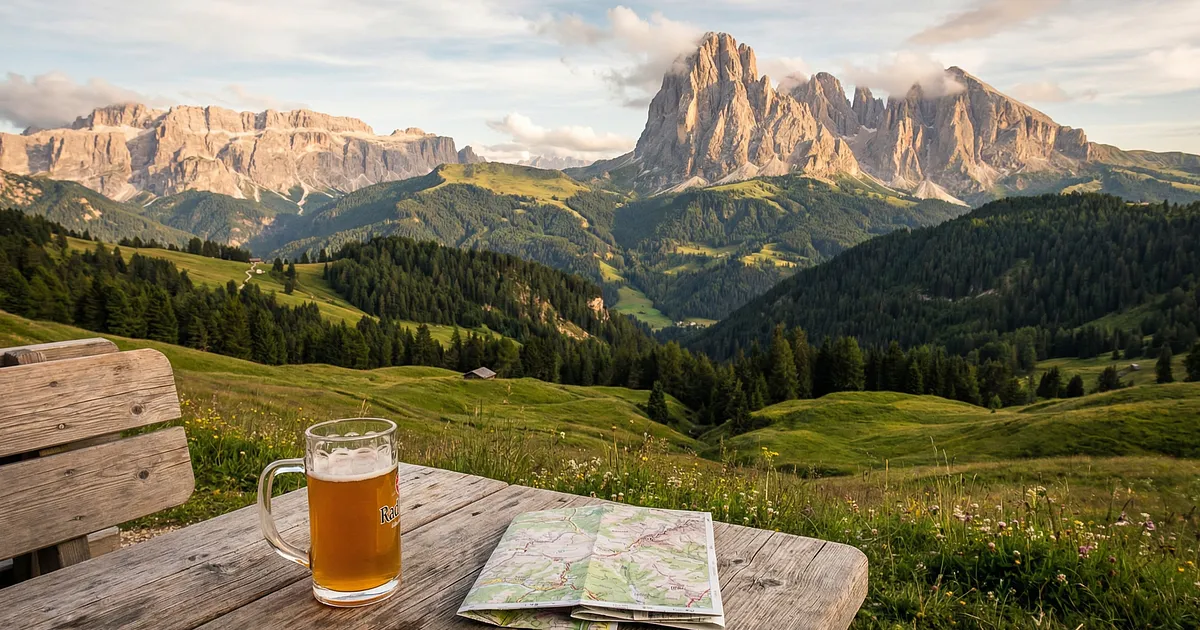
South Tyrol and the Dolomites (Italy): Mountain huts in the Dolomites have doubled their bookings for summer 2026. September is already being called "the new August." If you've seen the Tre Cime di Lavaredo in person, you don't forget it. For something quieter, the Seiser Alm plateau at 1,850 metres has panoramic trails with minimal technical challenge and huts around every corner.
Bavarian Alps (Germany): Garmisch-Partenkirchen, Berchtesgaden, the Allgau region. For anyone who doesn't even need a passport. The Zugspitze might be crowded, but the area around it has trails you'll practically have to yourself. The Konigsee loop trail in Berchtesgaden is a solid starter: mostly flat, spectacular views, no technical skills needed.
Switzerland: Grindelwald, Engadin, Valais. More expensive, sure. But the trails are in a league of their own. Swiss mountain railways take you to altitudes that would otherwise require hours of climbing. If you want the classic alps hiking holiday that actually delivers on the photos, Zermatt with a view of the Matterhorn is hard to beat.
Slovenia: The hidden gem. Slovenia saw 9% visitor growth and remains far less touristy than Austria or Switzerland. Triglav National Park is a dream. Roughly 40% cheaper than Austria on average.
Best Time to Visit for a Coolcation Alps Holiday
When's the best time? May and June are quiet and lush, though higher elevations can still have snow. July and August are peak season, with full huts and warm, usually stable weather. September is honestly my favourite. The tourists clear out, temperatures drop to that perfect hiking range, and the autumn colours on the alpine meadows are something else. Seriously worth considering.
One thing: popular huts in the Dolomites and around the Wilder Kaiser are already partly booked for August and September 2026. As of February 2026. Book now if you have a specific region in mind.
Hiking Gear for Your First Mountain Holiday: What You Actually Need
Here's a mistake I see constantly. First-time mountain visitors pack like they're heading to a city park. Trainers. A small daypack. Maybe a jacket.
That works for a flat afternoon walk. It doesn't work for a five-hour hike at 1,800 metres.
The German Alpine Club (DAV) recommends minimum gear for any mountain hike: waterproof jacket, first aid kit, map or GPS, and a phone with the emergency number 112. The club now has 1.57 million members and grew by 3.3% in 2024. Mountain hiking is booming. There's a reason.
Here's what you genuinely need for your coolcation Alps trip. Not the full pro setup. Just enough to get through your first alps hiking holiday safely and comfortably.
Hiking Boots: The Single Most Important Piece
Poor footwear is the number one cause of hiking accidents. Seriously. Ankle-high hiking boots with proper tread are non-negotiable on wet rocks, uneven terrain, and steep descents.
The Columbia Herren Konos TRS OutDry Trekking Wanderschuhe is a solid starting point if you'd rather not spend 250 euros right away. Waterproof via OutDry technology, decent ankle support, and a sole that grips on wet ground. For day hikes in the Alps, this does the job.
My advice: buy them at least two weeks before your trip and break them in. New hiking boots on a five-hour trail? That's how you get blisters you won't forget anytime soon.
Not available in your region — closest match
View at Amazon (as of Aug 15)Affiliate link. Buying through it earns us a commission; the price stays the same for you.
Hiking Backpack: 25 to 35 Litres, That's All You Need
For day hikes, 25 to 35 litres is the sweet spot. More than that just tempts you to overpack. Every kilogram matters when you're staring down 800 metres of elevation gain.
What to look for: a hip belt (transfers weight from shoulders to hips), back ventilation, and trekking pole attachments.
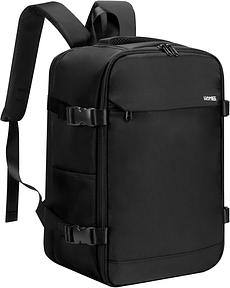
The deuter Futura 26 Wanderrucksack mit Netzrücken und Regenhülle at 26 litres hits the middle ground nicely. The mesh back panel keeps you from arriving completely soaked, and the included rain cover protects your gear when an Alpine thunderstorm rolls in. Weather in the mountains can flip completely within 30 minutes, by the way.
Flying to your trailhead? Our 2026 backpack comparison covers 8 models that double as carry-on luggage and fit through the gate sizer.
If you don't want your coolcation summer ruined by a bad back, think about trekking poles too.
Not available in your region — closest match
View at Amazon (as of Aug 14)Affiliate link. Buying through it earns us a commission; the price stays the same for you.
Trekking Poles: Easy to Underestimate
Trekking poles are easy to write off as gear for retirees. A six-hour hike in the Zillertal with knees screaming on the descent tends to change that opinion fast, once poles enter the picture.
Trekking poles reduce knee strain on descents by up to 25%. That might not sound like much, but after four hours of downhill walking, the difference is hard to miss.
The ALPENWERT Wanderstöcke Carbon oder Aluminium für Damen und Herren comes in carbon or aluminium variants. Carbon is lighter, aluminium is cheaper. Both are foldable and clip to your backpack when you don't need them. Under 80 euros for solid quality.
Not available in your region — closest match
View at Amazon (as of Aug 15)Affiliate link. Buying through it earns us a commission; the price stays the same for you.
Water Bottle: Forgotten More Often Than It Should Be
On a day hike in the Alps, you need at least 1.5 to 2 litres of water. More if it's warm or the trail is demanding.
The problem with cheap plastic bottles: after a hot climb, the water tastes like plastic. Not great. A decent metal bottle you can refill at springs and mountain fountains along the way is a better call. The Alps have plenty of both.
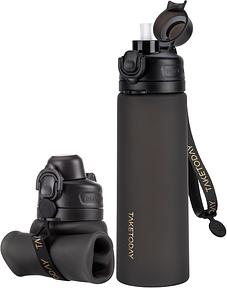
The Nalgene Kunststoffflaschen Everyday Wide Mouth Trinkflasche is stainless steel, keeps water cold, survives drops on rock without denting, and is still usable after a decade. Two of these equals 2 litres and you're sorted. Under 40 euros total.
Not available in your region — closest match
View at Amazon (as of Aug 15)Affiliate link. Buying through it earns us a commission; the price stays the same for you.
First Aid Kit: Small Box, Big Peace of Mind
A small first aid kit belongs in every hiking backpack. Not because serious accidents happen often. They don't. Because scrapes, blisters, and the occasional tick always do.
The Erste-Hilfe-Set 120-teilig klein wasserdicht für Wandern Camping Reisen packs 120 pieces into a compact, waterproof case that fits any backpack side pocket. Just under 50 euros. Worth it.
Not available in your region — closest match
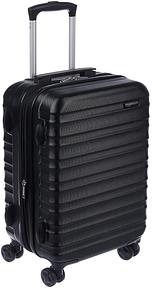
Amazon Basics Hard Shell Suitcase, black
View at Amazon (as of Aug 14)Affiliate link. Buying through it earns us a commission; the price stays the same for you.
Clothing: The Layering System
Here's a classic beginner mistake. Heading out in a cotton t-shirt because it was warm in the morning. By early afternoon, the rain arrives. The shirt soaks through, stays wet, and by 1,800 metres you're genuinely cold. Not fun.
The fix is layering. Three layers, on or off depending on conditions:
Layer 1 (Base): Moisture-wicking fabric, ideally merino wool or synthetic. No cotton. Cotton absorbs sweat and doesn't dry. In the worst case, you get hypothermia.
Layer 2 (Mid): Fleece jacket or lightweight down jacket. At 2,000 metres, temperatures can drop below 10 degrees even in August.
Layer 3 (Outer): Waterproof, windproof jacket. Non-negotiable. Alpine thunderstorms arrive fast and without warning.
If you're planning to fly to the Alps with carry-on only, check what you're allowed in hand luggage first. Trekking poles and first aid kits have specific rules.
Also bring: long hiking trousers, a hat, and sun protection. UV radiation at 2,000 metres is about 20% stronger than at sea level. Don't underestimate it.
Safety Tips for First-Time Mountain Hikers
Before you head out on your coolcation trip, a few things that experienced hikers know and beginners often overlook:
Save these numbers now:
112: EU-wide emergency (always call first)
140: Austrian mountain rescue
1414: Swiss REGA
Download the SOS-EU-ALP app. Seriously. Do it now.
Check the weather that morning, not the evening before. Alpine weather shifts quickly. Afternoon thunderstorms are common in summer. If storms are forecast, postpone or start early and be back down by noon.
Don't overestimate yourself. Your first mountain vacation hike shouldn't be the high-altitude route your colleague raves about. Start with marked paths rated T1 or T2 difficulty. Those are designed for beginners. Overestimating yourself on a first Alpine hike often ends with turning back after four hours. Not a disaster, but not exactly a highlight either.
Mountain rescue insurance: The DAV offers membership for around 70 euros a year, which includes mountain rescue coverage across Europe. If you plan to hike regularly, it's genuinely the most sensible thing you can buy. ADAC and OAMTC also offer travel protection packages that cover mountain rescue.
Plan your route: How long is it? How much elevation? Are there places to stop and eat? What does the return path look like? Figure this out beforehand. Don't improvise.
Hiking Packing List: Everything at a Glance
Here's the complete packing list for a day hike during your Alps coolcation:
Hiking boots (ankle-high, broken in)
Hiking backpack (25-35 litres)
Waterproof jacket (windproof)
Fleece or lightweight down jacket
Moisture-wicking base layer (no cotton!)
Long hiking trousers
Trekking poles
First aid kit
1.5 to 2 litres of water
Sunscreen (SPF 50) and sunglasses
Hat or buff
Trail map or GPS app (Komoot, Outdooractive)
Fully charged phone with emergency numbers
Snacks (nuts, energy bars, sandwich)
Emergency blanket (weighs nothing, can save your life)
Blister plasters
Sounds like a lot. Fits easily into a 26-litre backpack. Better to bring slightly too much than too little.
Your 2026 Coolcation Summer Is Waiting
The Alps aren't a fallback because the Mediterranean is too hot. They're the better choice.
Picture this: after four hours of hiking, you're sitting on the hut terrace. 22 degrees, light breeze, view of the summit you just climbed. Cold drink in hand. No sunburn. No packed beach bar. No fan blowing hot air in your face.
That's coolcation. And you can have it this summer.
Still not sure the Mediterranean heat is that bad? Our article explains why more travelers are escaping the Mediterranean heat and why cooling gadgets are no substitute for just going somewhere cooler.
Start simple: find a T1 or T2 route on Komoot, run through the gear list above, and book the hut soon. Spots for summer 2026 are filling faster than you'd expect.
All products from this post
The ones we named above are marked; the rest are alternatives in the same category.
Not available in your region — closest match
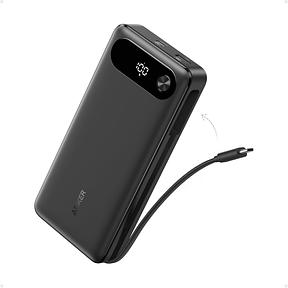
Anker Powerbank, 20.000mAh tragbares Ladegerät mit integriertem USB-C-Kabel, 87W Max Schnellladung, kompatibel mit MacBook, iPhone, Samsung und mehr
View at Amazon (as of Aug 15)
Not available in your region — closest match
Anker Powerbank, 20.000mAh tragbares Ladegerät mit integriertem USB-C-Kabel, 87W Max Schnellladung, kompatibel mit MacBook, iPhone, Samsung und mehr
View at Amazon (as of Aug 15)
Not available in your region — closest match
Amazon Basics Hard Shell Suitcase, black
View at Amazon (as of Aug 14)Affiliate notice: As an Amazon Associate, we earn from qualifying purchases. Product prices and availability are subject to change.
Frequently Asked Questions
How much does basic hiking gear for the Alps cost?
A solid starter kit (boots, backpack, poles, first aid kit, water bottle) runs about 350 to 500 euros. Yes, that's an investment. But these things last years with proper care. Per trip, it quickly becomes cheaper than any beach holiday. If you still need a carry-on suitcase for the flight, check our carry-on luggage comparison for the best options at every budget.
Do I need to buy everything new or does second-hand work?
Buy hiking boots new, because worn soles have worse grip. For backpacks, poles, and jackets, second-hand is perfectly fine. Check local marketplaces or Vinted. Plenty of people sell barely used outdoor gear.
Which Alpine hiking routes are good for beginners?
The Meraner Hohenweg (South Tyrol) on its easier sections, trails around the Achensee (Tyrol), the Konigsee loop (Bavaria), and the Kleine Walsertal. Look for difficulty ratings T1 or T2 on the SAC scale. Well-marked, no climbing required.
What's the weather like in the Alps during summer?
In July and August, valleys at 800 to 1,000 metres typically see 20 to 26 degrees. In May/June and September, closer to 14 to 20 degrees. Afternoon thunderstorms can develop. Start early in the morning and always bring a rain jacket.
Do I really need trekking poles?
For flat walks, no. But as soon as you're dealing with more than 500 metres of descent, poles noticeably protect your knees. Especially if you're not used to walking downhill for extended periods. I'd bring them.
What's the difference between a coolcation and a regular mountain holiday?
A coolcation is more of a mindset than a travel category. You're deliberately choosing a cooler destination instead of suffering through an overheated Mediterranean summer. A mountain vacation is one coolcation option among many. Others include Scandinavia, the British Isles, or the Baltics. But if you want to escape the heat without flying to the other end of Europe, the Alps are the most practical choice there is.
Sources
- 60 dangerous heat days travelandtourworld.com
- Skyscanner survey of 22,000 travelers prnewswire.com
- Booking.com study of 27,713 respondents danacommunications.com
- 40.55 million overnight stays gastroportal.at
- doubled their bookings for summer 2026 travelandtourworld.com
- German Alpine Club (DAV) alpenverein-muenchen-oberland.de
- 1.57 million members alpenverein.de