
Smart Luggage 2026: Why Airlines Reject Smart Suitcases at Check-in
 6 min read
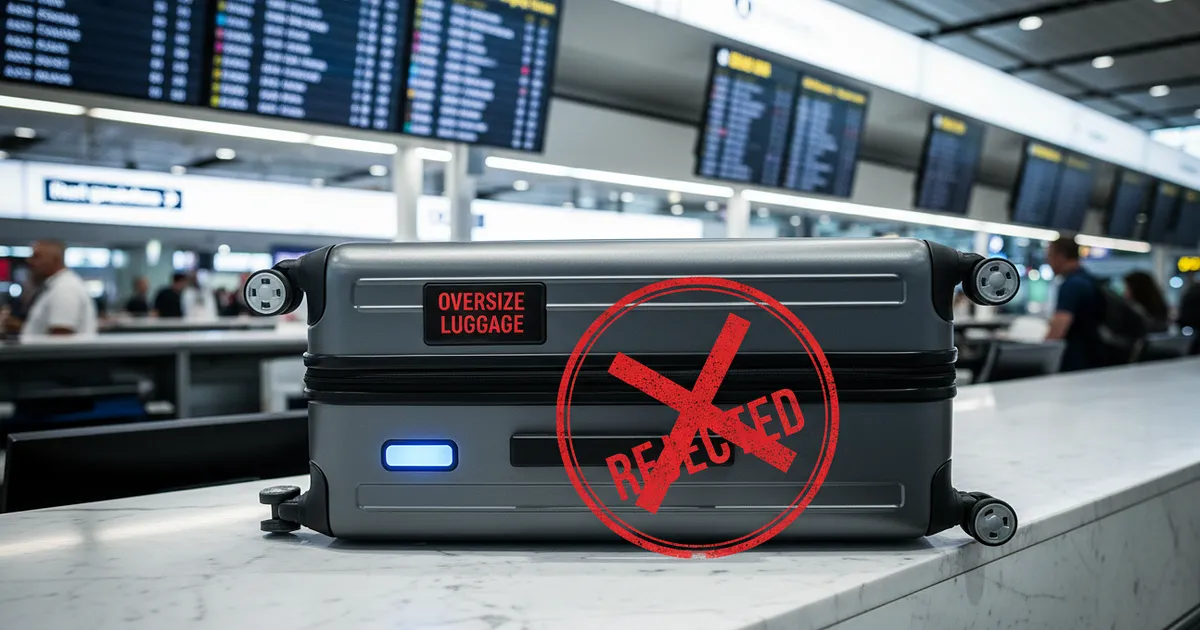
The FAA counted 89 lithium battery incidents on aircraft in 2024. A record. 16% more than the year before. And probably the most important reason your smart suitcase might not make it past the check-in counter in 2026 — even if you think you've done everything right.
Here's the part that genuinely surprised me: an IATA survey found that 93% of travelers think they know the battery rules for flights. Half of them are wrong. 50% believe powerbanks belong in checked luggage. They don't.
What Counts as Smart Luggage?
A smart suitcase has built-in tech. USB charging port, GPS tracker, electronic lock, sometimes even a motor. The tech itself isn't the issue. The battery powering it is.
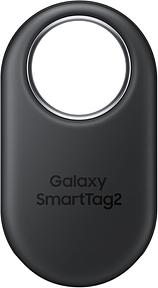
And this distinction matters more than most people realize. An Apple AirTag (1. Generation) - Finde und behalte Deine Sachen im Blick: Schlüssel, Geldbörsen, Gepäck, Rucksäcke und mehr. Einfaches Einrichten mit iPhone oder iPad. Austauschbare Batterie inside your suitcase? Totally fine. It runs on a CR2032 coin cell under 2.7 watt-hours. Germany's Federal Aviation Authority officially confirmed this. A Samsung Galaxy SmartTag2 Bluetooth-Tracker, Kompassansicht, Suche in der Nähe, mit bis zu 6 Monaten Akkulaufzeit, Weiss falls into the same category.
But a suitcase with a built-in 10,000 mAh powerbank? Completely different situation.
Not available in your region — closest match
View at Amazon (as of Aug 14)Affiliate link. Buying through it earns us a commission; the price stays the same for you.
Not available in your region — closest match
View at Amazon (as of Aug 14)Affiliate link. Buying through it earns us a commission; the price stays the same for you.
Why Airlines Turn Your Smart Suitcase Away
IATA guidelines are clear on this. A smart suitcase can only fly if the battery is removable. If the battery is built in and exceeds 2.7 Wh, the bag cannot be checked or taken into the cabin.
What triggered the current crackdown: On January 28, 2025, an Air Busan Airbus A321 caught fire in an overhead bin. The likely cause was a faulty powerbank. The aircraft was completely destroyed. 27 people were injured.
Since then, things have tightened considerably:
The Lufthansa Group (including Eurowings, Swiss, Austrian) banned powerbank charging during flights starting January 15, 2026. ADAC confirmed this rule.
The IATA DGR 67th edition made the 30% maximum state of charge for lithium batteries in cargo holds mandatory from January 1, 2026.
The rules have existed since 2018. What changed is that airlines actually enforce them now.
The One Rule That Decides Everything
Removable or not. That's the question.
Can you take the battery out of your smart suitcase before check-in and carry it in your hand luggage? Then the suitcase can be checked in normally. An empty case without the battery is fine.
Is the battery permanently installed? Then your suitcase gets rejected at the counter. Every airline, no exceptions.
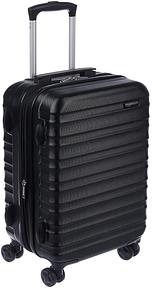
The LEVEL8 Handgepäck Koffer mit Laptopfach, Trolley Handgepäck Leichtgewicht Hartschalen Reisekoffer mit abschließbarer Vortasche 8 Spinner Rollen TSA-Schloss, 55cm, 40L, Schwarz handles this the right way: it has a USB charging port but with a removable battery. You pull out the powerbank before check-in, put it in your backpack, check the suitcase in. Done.
Not available in your region — closest match
Amazon Basics Hard Shell Suitcase, black
View at Amazon (as of Aug 14)Affiliate link. Buying through it earns us a commission; the price stays the same for you.
What to Do If Your Suitcase Gets Rejected
You're standing at check-in and your smart suitcase isn't accepted. Three options:
Remove the battery. Many smart suitcases have removable batteries. Take it out, put it in your carry-on, check the empty case.
Take the suitcase as carry-on. If it's small enough and the battery is under 100 Wh, you can bring it into the cabin. Leave the battery inside — but switch the device completely off.
Leave the suitcase behind. Tough call, but with permanently installed batteries over 100 Wh, there's honestly no alternative. Some airports offer luggage storage.
Honestly? Check this before you travel — not the morning of your flight. Look up your suitcase model on the manufacturer's website. If you can't find "removable battery" anywhere in the specs, assume it'll be a problem at check-in.
AirTags in Checked Luggage: Yes, That's Allowed
Probably the biggest source of confusion right now. Many travelers think their Apple AirTag (1. Generation) - Finde und behalte Deine Sachen im Blick: Schlüssel, Geldbörsen, Gepäck, Rucksäcke und mehr. Einfaches Einrichten mit iPhone oder iPad. Austauschbare Batterie in checked luggage is now banned too. It isn't.
We've covered which airlines allow AirTags in checked luggage in detail — the short version: Bluetooth and GPS trackers like AirTags, Tile, and Samsung SmartTags use tiny coin cell batteries under 2.7 Wh. They don't fall under the smart luggage rule and are generally allowed in checked bags. Period.
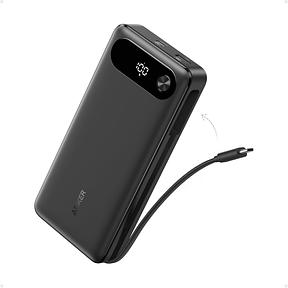
A separate Anker Powerbank, 20.000mAh tragbares Ladegerät mit integriertem USB-C-Kabel, 87W Max Schnellladung, kompatibel mit MacBook, iPhone, Samsung und mehr, though, goes in your carry-on. Not in the suitcase. Never.
Not available in your region — closest match
View at Amazon (as of Aug 14)Affiliate link. Buying through it earns us a commission; the price stays the same for you.
Affiliate link. Buying through it earns us a commission; the price stays the same for you.
How to Stay on the Safe Side
Before your next flight, you really only need to answer one question: is the battery in your suitcase permanently installed or not?
If it's permanent: find a model with a removable battery before you fly. That's not optional anymore, it's the entry ticket. If you're looking for a flight-safe replacement, our carry-on luggage comparison covers tested models — including which ones have no built-in battery at all.
AirTag can stay in the suitcase. Powerbank goes in your carry-on. The conversation at the check-in counter is one you don't want to have.
The rules for smart luggage aren't new. But 2026 is the first year airlines are actually enforcing them. And I can tell you from reading dozens of traveler reports: arguing at the counter doesn't help. It just costs time. And in the worst case, the flight.
All products from this post
The ones we named above are marked; the rest are alternatives in the same category.
Not available in your region — closest match
Amazon Basics Hard Shell Suitcase, black
View at Amazon (as of Aug 14)Affiliate notice: As an Amazon Associate, we earn from qualifying purchases. Product prices and availability are subject to change.
Frequently Asked Questions
Is smart luggage banned on flights?
No. Smart suitcases with removable batteries are allowed. You must remove the battery before check-in and carry it in your hand luggage. Only suitcases with permanently installed batteries exceeding 2.7 Wh are rejected by all airlines.
Can I keep an AirTag in my checked luggage?
Yes. AirTags and similar Bluetooth trackers use CR2032 coin cell batteries under 2.7 Wh. Germany's Federal Aviation Authority officially approved them for checked luggage in 2023. They are not covered by the smart luggage rule.
What changed about battery rules for flights in 2026?
The core rule — no permanently built-in battery in a suitcase on a plane — has been in place since 2018, but enforcement is stricter now. The Lufthansa Group banned powerbank charging during flights starting January 15, 2026. IATA made the 30% maximum state of charge mandatory for lithium batteries in cargo holds. Similar confusion exists around liquids in carry-on luggage — we've explained what actually applies in 2026 there too.
Can I bring a powerbank in my carry-on?
Yes. Up to two powerbanks with a maximum of 100 Wh each. They must go in your carry-on, never in checked luggage. On Lufthansa Group flights, you can no longer use them for charging during the flight since January 2026.
Which smart suitcases are flight-safe?
Suitcases with removable batteries are flight-safe. At check-in, remove the battery and carry it in your hand luggage. The suitcase itself gets checked in without the battery. When buying, make sure the manufacturer explicitly states "removable battery." A rough rule of thumb: smart suitcases over €150 almost always have removable batteries. Under €80, it's more of a gamble — check before you buy.